
1
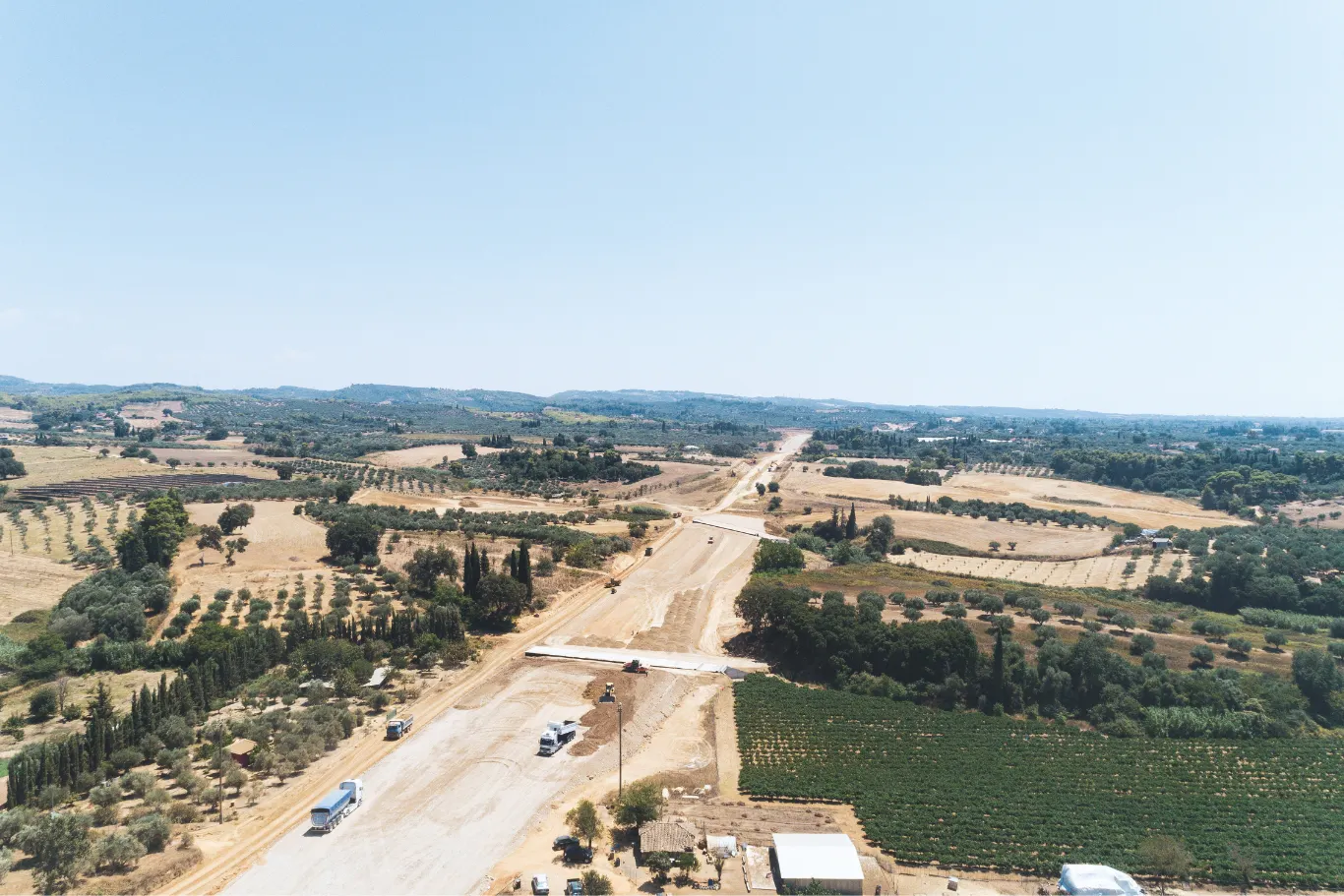
The Athens–Corinth– Patras motorway concession adds a new 75 km section linking it to the city of Pyrgos.
2
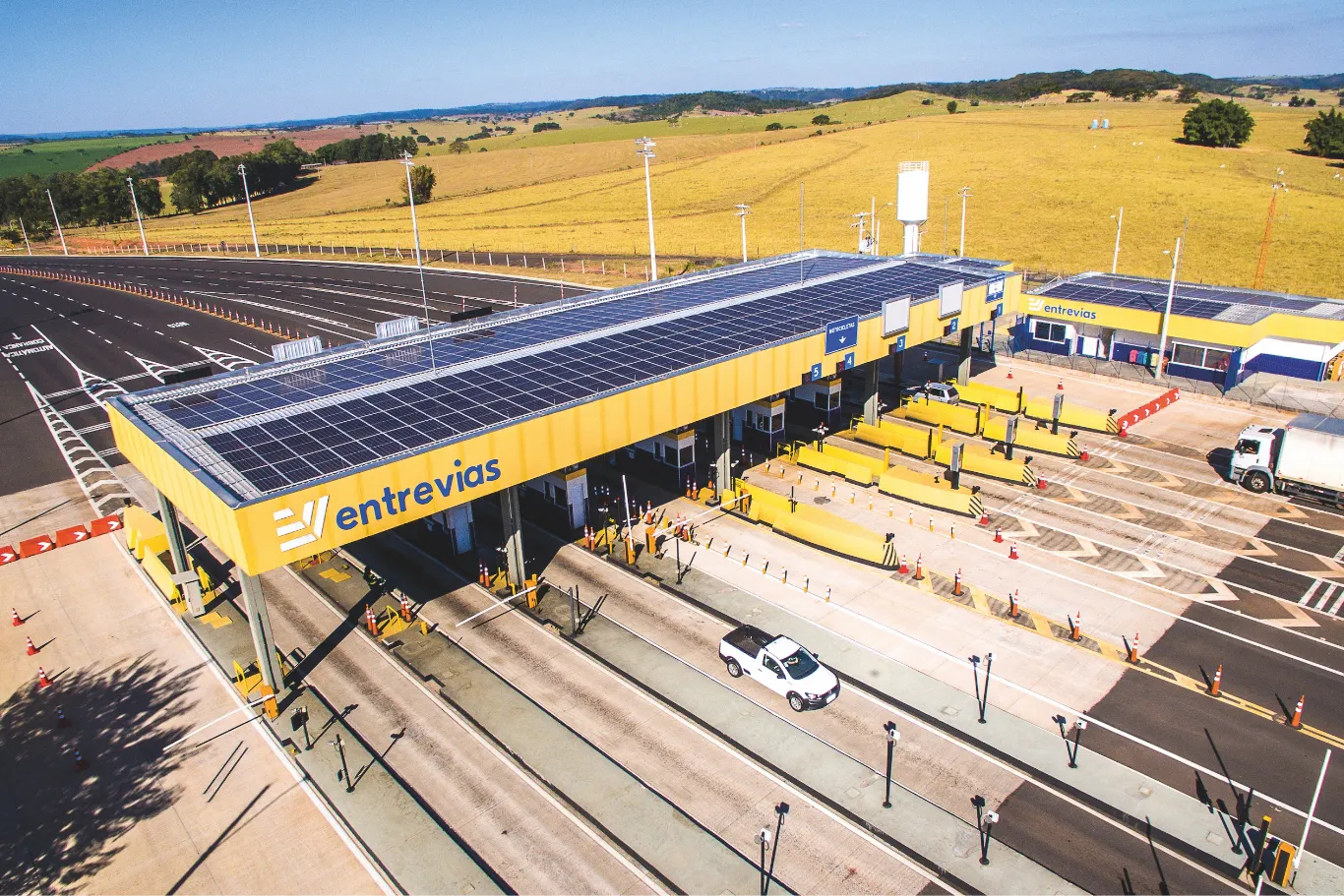
VINCI Highways continues to expand in Latin America and moves into Brazil.
3
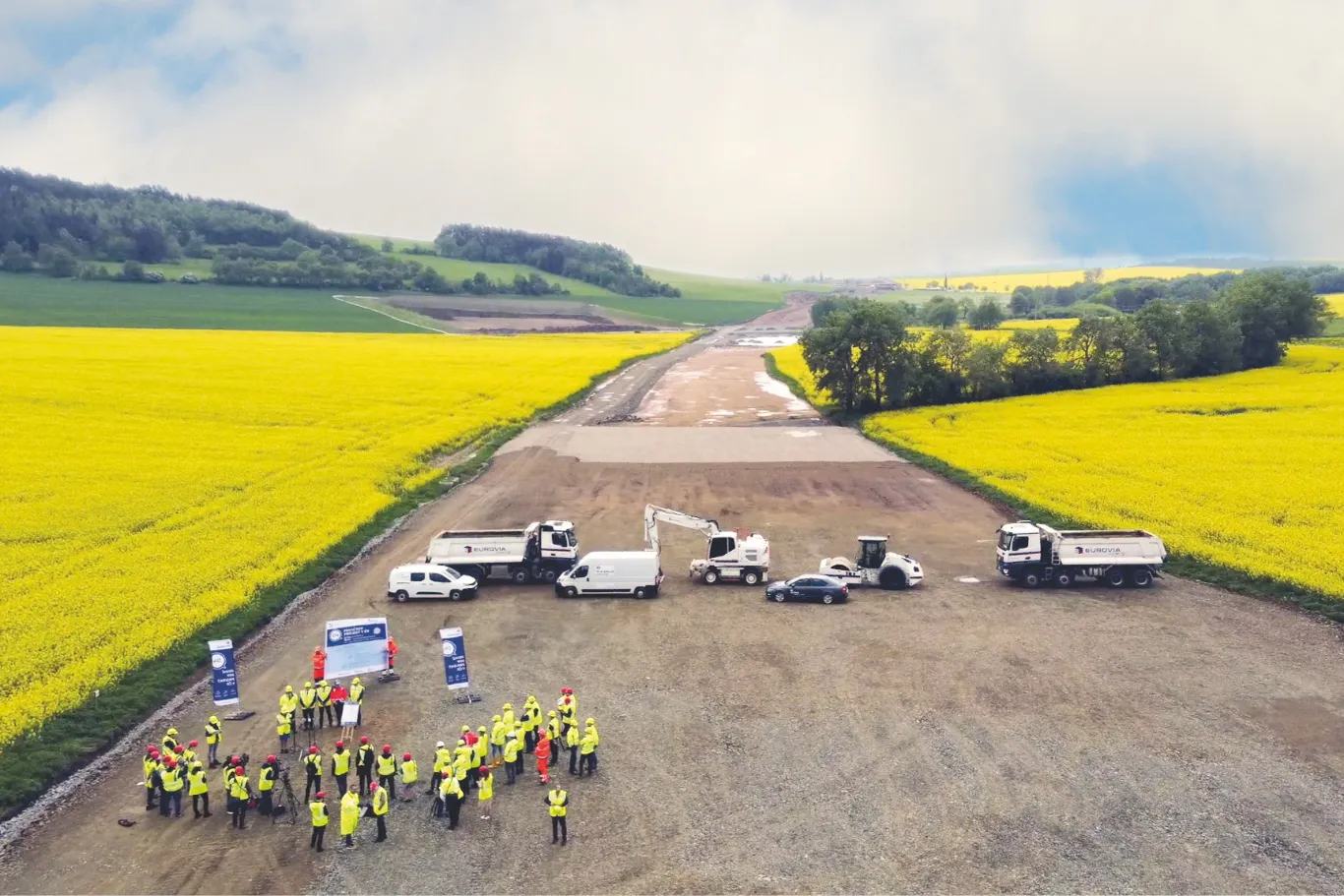
Upgrade and widening of the Bogotá–Girardot motorway, in Colombia.
4
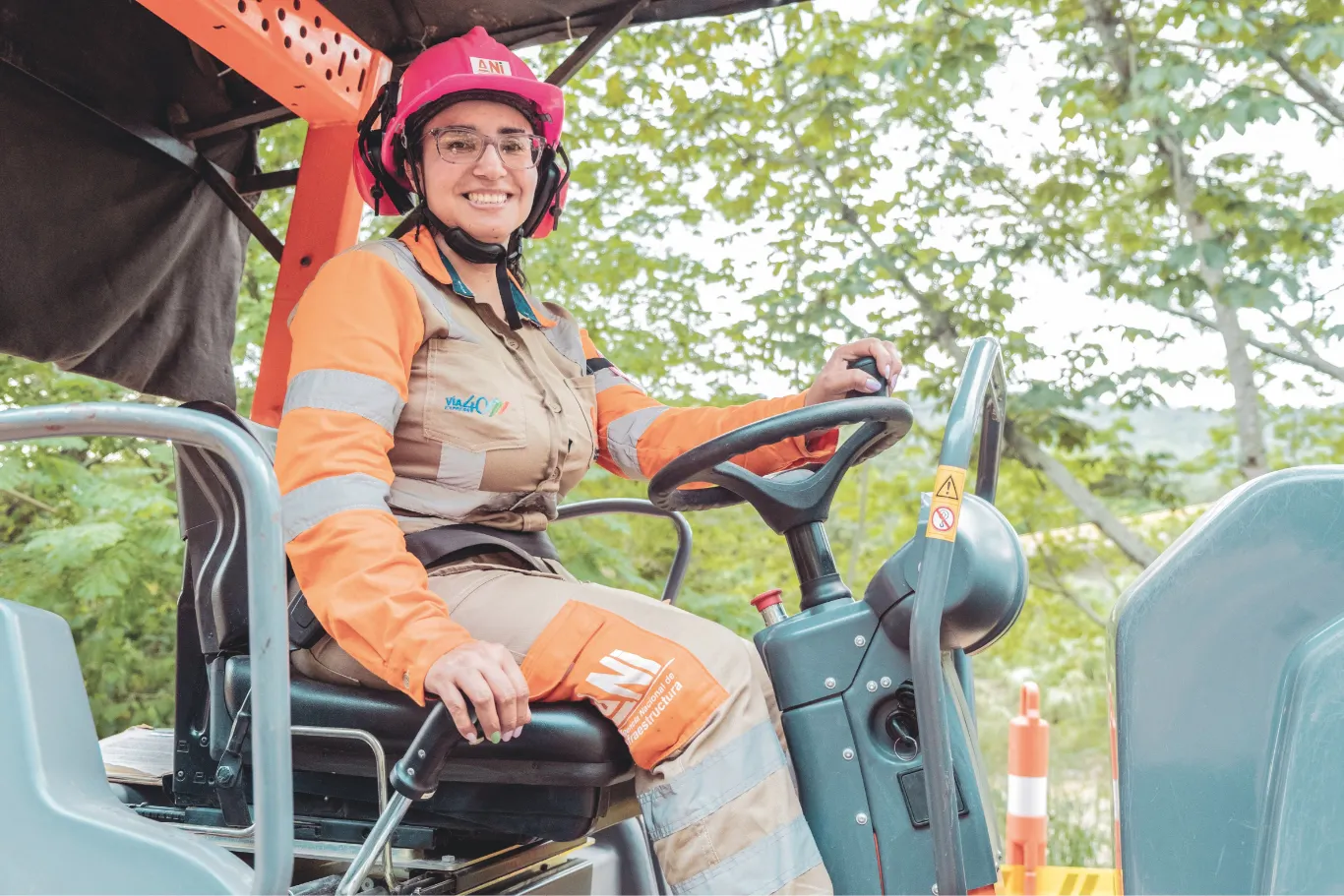
In the Czech Republic, the works on the
D4 motorway will recycle 60% of the asphalt mix from the section slated for upgrading.
PROGRAMME MANAGEMENT
In Germany, VINCI Highways has launched works on the B247, the first federal road to be delivered under a public-private partnership (PPP) scheme. The 22 km road, which will link the cities of Mühlhausen and Bad Langensalza, will improve mobility in the northern part of Thuringia by facilitating access to the region’s motorway network. The contract also includes construction of 6 km of access roads. The works are being carried out by VINCI Construction’s German subsidiaries, which will recycle up to 30% of asphalt mix and 100% of concrete from the existing section. In addition, VINCI Highways continued works to widen the A7-2 and brought into service a first three-lane dual carriageway section between the cities of Seesen and Düderode in Lower Saxony. With five PPPs covering a network of 234 km of motorways (A4, A5, A9, A7-2, B247), VINCI Highways is the leading private motorway concession operator in the country.
In the Czech Republic, the consortium set up by VINCI Highways and Meridiam, which won the country’s first PPP contract in 2021, has started work on the vast project to complete the D4 motorway. It covers a 48 km stretch between the cities of Příbram (Central Bohemia) and Písek (South Bohemia) and entails building a totally new 32 km section and upgrading 16 km of existing road. VINCI Construction is carrying out continuous works over the entire route with the aim of delivering the completed infrastructure by the end of 2024. Implementation of full BIM (Building Information Modelling) and creation of a “digital twin” of the infrastructure will optimise the whole process, from construction and maintenance through to future operation. By recycling more than 60% of asphalt mix and around 900,000 tonnes of excavated materials from mining activities in the region, the project will reduce materials transport by around 35 million tonne-kilometres, thereby avoiding 2,000 tonnes of CO₂. The D4 project was named Best European PPP at the international PFI (Project Finance International) Awards.
In Colombia, VINCI Highways and its partner Constructora Conconcreto continued with the major renovation programme on the Bogotá–Girardot motorway, one of the country’s busiest, under a 30-year concession contract. The works, carried out by VINCI Construction, cover a total of 126 km of motorway and include construction of a third lane over 65 km and four 2 km tunnels. An asphalt production plant that can use up to 40% of recycled materials was brought into service on the site. In Peru, VINCI Highways also upgraded the pavement on the 16 km Via de Evitamiento in Lima, one of the two main urban arteries managed by the con-cession company Lima Expresa in the country’s capital.
OPERATION, SERVICES
VINCI Highways is developing the use of digital technology in toll systems and services for users of its infrastructure.
In Colombia, a contactless electronic payment system was introduced on the Bogotá–Girardot motorway and a chatbot installed on the concession company’s website to guide users.
In Peru, where almost 25% of trans-actions are already electronic, all the toll plazas on the Lima expressway now accept contactless card payment, a service already used by over 4 million customers.
In Greece, the mobile apps My Gefyra (Rion–Antirion bridge) and Olympia Odos (Athens–Patras motorway) offer users a range of services, such as management of their prepaid account, to facilitate their journey.
Relying on the expertise of TollPlus, VINCI Highways also deploys free-flow toll systems, which are installed on a network of motorways and expressways in Texas in the United States and on the Dublin ring road in Ireland. These integrated systems cover both on-road and back-office management of toll services, data collection, toll collection for the state authorities, and user relations.
Digital technologies also contribute to improving safety, as in Slovakia, where a system to detect vehicles travelling the wrong way was installed on the Via PR1BINA. Since it was brought into service on the 52 km expressway in 2012, the number of road accidents in the region has fallen by almost 80%, thanks largely to the prevention campaigns led by the concession company.