ENVIRONMENTAL POLICY
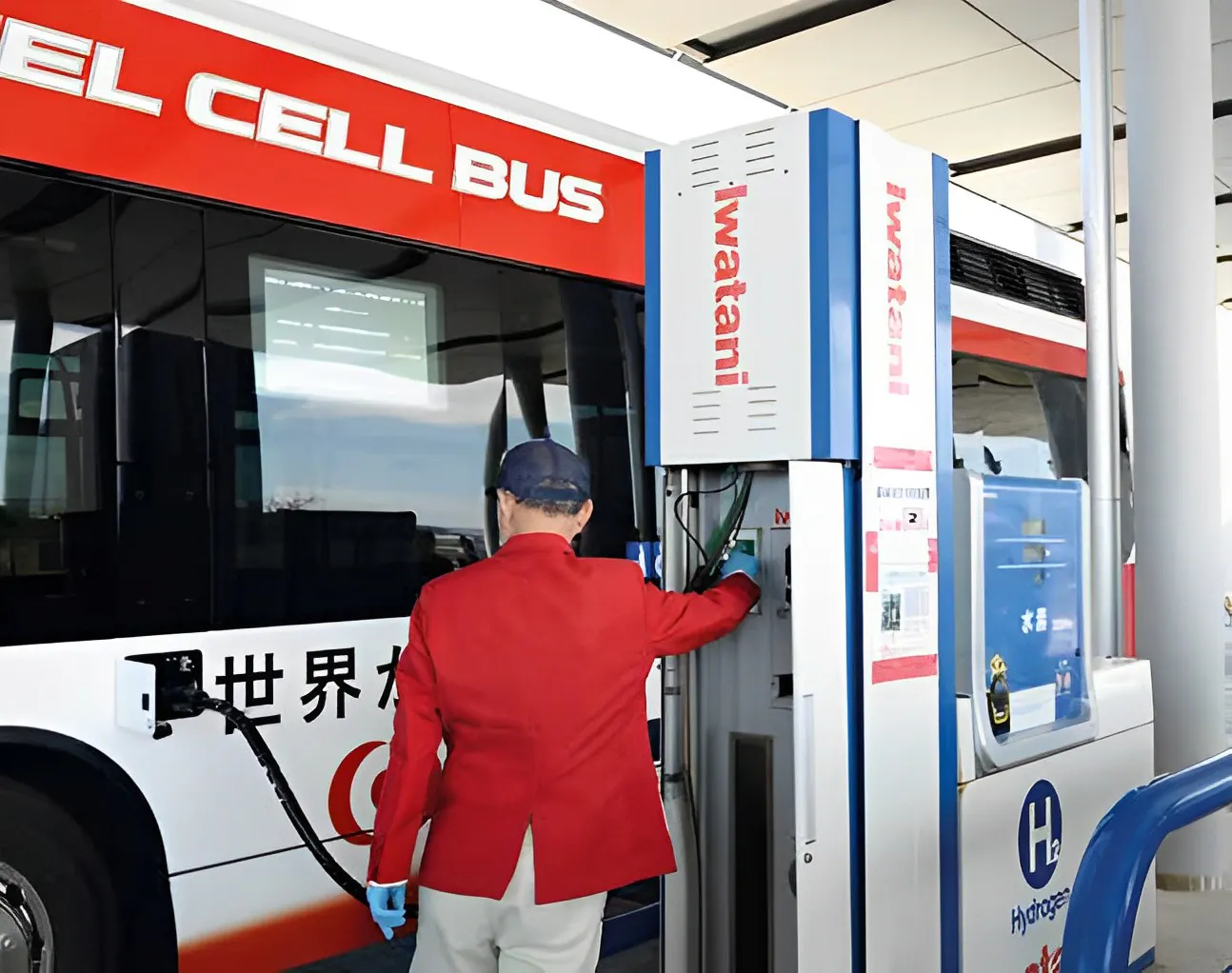
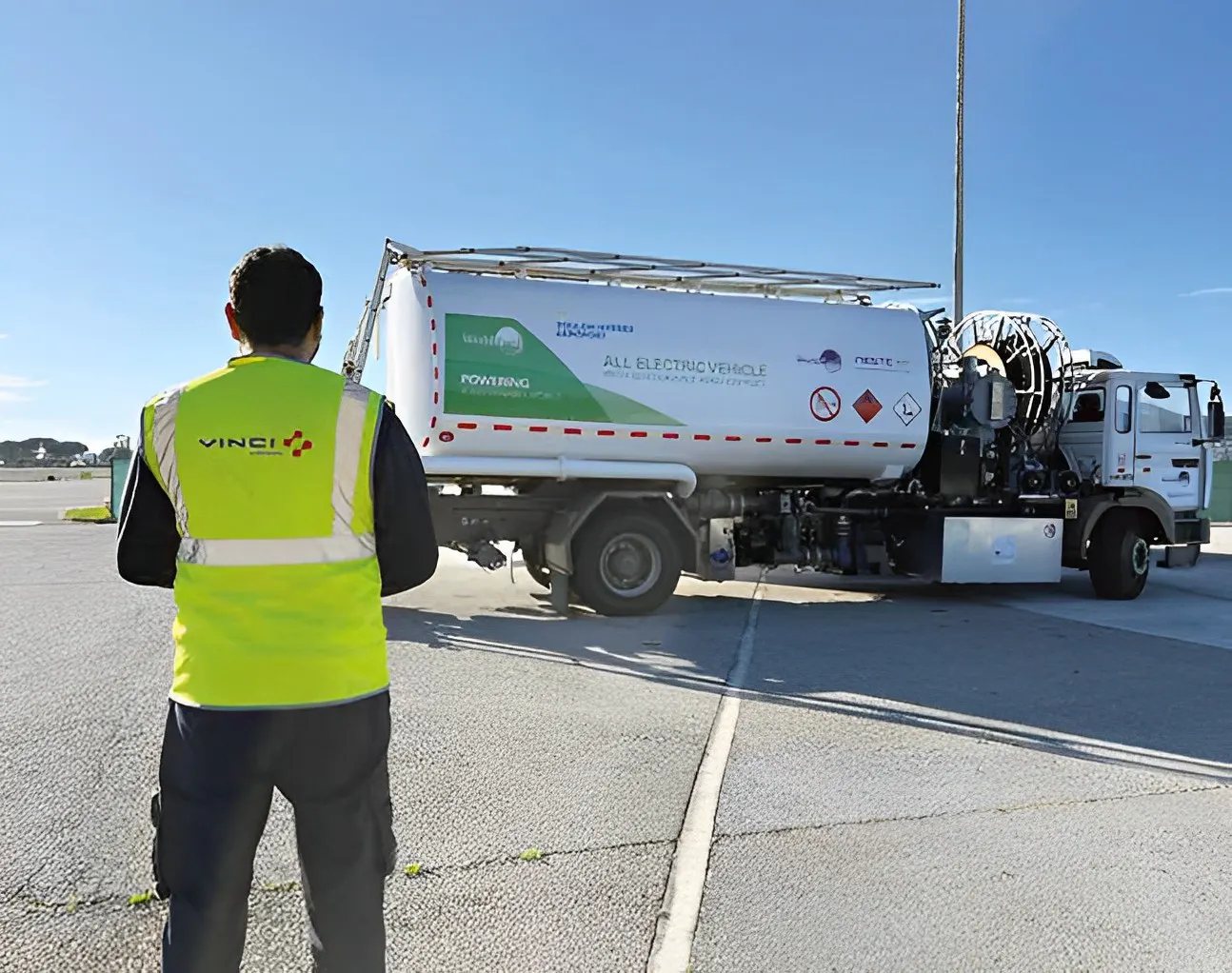
VINCI Airports’ ambition is to reach the aviation sector goal of net zero emissions by 2050, in all its airports. The company is therefore continuing to decarbonise its activities by rolling out a number of complementary actions. Three new solar power plants were brought into service in 2022 at Faro (see Close-up), Belgrade and Lyon-Saint Exupéry (P3 car park), increasing installed capacity across the network to over 36 MWp. As well as generating decarbonised energy for self-consumption, VINCI Airports is reducing its carbon footprint by replacing conventional light bulbs with LEDs, installing more energy-efficient heating and air-conditioning systems, and changing to electric service vehicles and runway machinery, such as the first 100% electric aircraft deicer brought into service at Clermont-Ferrand Auvergne airport. These efforts were reinforced by the energy efficiency plan launched by the Group at the start of the 2022-2023 winter season in response to the energy crisis, including, in particular, setting temperature controls at 17°C in high- capacity passenger spaces. By end-2022, these measures, taken together, had reduced the direct carbon footprint (Scopes 1 and 2) of its activities by 44%. VINCI Airports is also developing a reforestation programme to sequester the residual emissions of its airports, already deployed in France and Portugal. The projects financed in France meet the low-carbon standards of the Label Bas Carbone awarded by the Ministry of the Ecological Transition.
Meanwhile, VINCI Airports is also acting to reduce its indirect emissions (Scope 3) by encouraging partners and air-lines to decarbonise their own activities.