
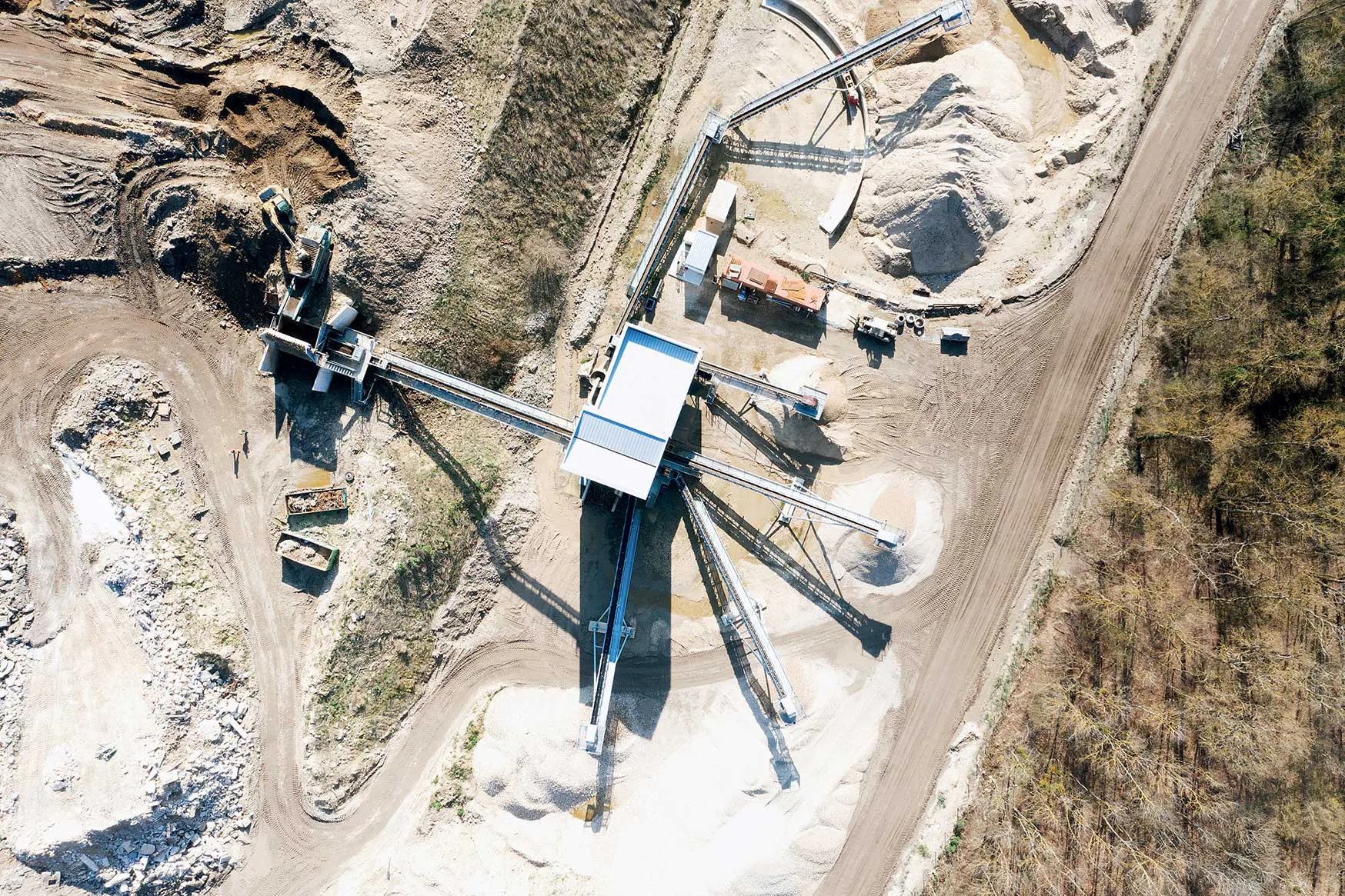
Reducing the footprint of materials
In construction, materials are the main source of indirect downstream emissions (Scope 3). VINCI Construction is committed to using 90% low-carbon concrete on its worksites by 2030, while promoting this form of concrete across the whole industry through its Exegy solutions. In its manufacturing and roadworks activities, VINCI Construction is expanding its production of recycled aggregate mix, with its Granulat+ solutions, and rolling out innovative processes to optimise recycling rates and the carbon footprints of its worksites.
Targeting a 50% reduction of CO2
Road maintenance. Together, VINCI Construction and VINCI Autoroutes have developed a comprehensive road renovation solution – the winner of a VINCI Environment Award – that uses lower production temperatures and bio-sourced fuel to both reduce CO2 emissions and maximise the recycling rate.
Frugal design.
On the HS2 high-speed line worksite in the United Kingdom, VINCI Construction and its partners have committed to reducing the carbon footprint from building the new infrastructure by 50% compared with a conventional design.
Smart buildings and energy efficiency
Edge Stadium, under construction near Amsterdam’s Olympic Stadium, showcases VINCI Energies’ expertise in applying smart connectivity to buildings. Occupants will be able to adjust the temperature or lighting of their individual spaces simply using a smartphone app. An overall energy management system will monitor energy use in real time and adjust building settings to minimise it.
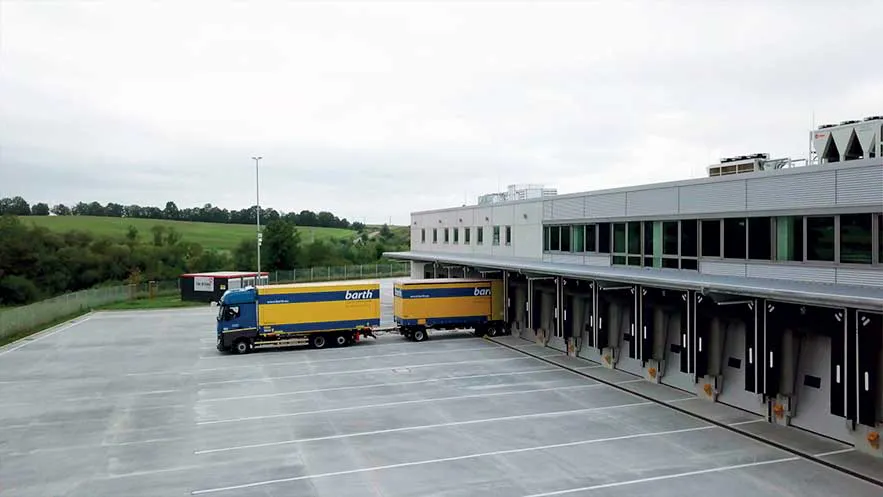
Optimised routes, lower emissions
Using artificial intelligence, the addHelix logistics services platform developed by Axians ICT Austria (VINCI Energies) helps logistics specialists to optimise their delivery routes and reduce both costs and CO2 emissions. Customers’ digital transformation is part and parcel of the ecological transition.
Producing low-carbon hydrogen
VINCI Construction is a founding partner, along with CEA and Schlumberger, of Genvia – a company created to develop and widely apply a disruptive technology for producing clean hydrogen, using high-temperature solid oxide electrolysis cells. This technique substantially reduces the electricity used per kilogram of hydrogen produced.
Actemium (VINCI Energies) conducted studies for the manufacturing pilot line at Genvia’s new facility in Béziers (southern France), which are expected to lead to an order for nine robot-assisted workstations.